For a lot of people, the hardest part of getting help isn’t the treatment itself. It’s the not knowing.
What happens when you walk through the door? What will the first few days feel like? Will you be okay?
Those questions are completely normal, and they deserve honest answers. So here’s a straightforward look at what the first 30 days of addiction treatment actually looks like at Foothills Recovery — not a brochure version, but a real one.
Days 1 through 3: Getting Settled
The very first thing that happens when you arrive at Foothills Recovery isn’t a test or an evaluation or a long list of rules. It’s an intake conversation. Our team sits down with you to get to know your situation, understand your needs, and walk you through what your time with us will look like.
Those first couple of days are about getting your bearings. You’ll get familiar with your living space, meet staff and other residents, and begin to settle into the structure of daily life here. For many people, that structure — knowing what happens when and what’s expected — is one of the first things that actually starts to feel like relief.
If you’re entering treatment with physical dependence, our team will also assess your medical needs right away to make sure you’re safe and as comfortable as possible during the early days.
Week One: The Adjustment
The first week is often the most uncomfortable, and that’s worth saying out loud rather than glossing over.
Your body may still be adjusting. Your emotions may feel closer to the surface than usual. You might feel restless, anxious, or uncertain whether you made the right call. That’s not a sign that something is wrong. It’s a sign that your mind and body are beginning to recalibrate after relying on substances, sometimes for a very long time.
What helps during week one is leaning into the routine rather than fighting it. Meals, group sessions, individual time, rest. The days have a rhythm here, and that rhythm exists because consistency is one of the first building blocks of recovery.
Our staff will be with you through all of it. You won’t be left to figure out the hard moments alone.
Weeks Two and Three: Getting to Work
By the second week, most people start to notice a shift. The fog begins to lift a little. Sleep starts to feel more like actual rest. The day-to-day structure that felt unfamiliar in week one starts to feel more natural.
This is also when the deeper work begins.
Individual and group therapy sessions give you space to start unpacking what brought you here and what you want your life to look like on the other side of this. You’ll begin building relationships with other residents who are walking a similar path. You’ll start identifying patterns, triggers, and coping tools that you’ll carry with you long after treatment ends.
It doesn’t happen all at once. Recovery never does. But weeks two and three are often when people start to feel, for the first time, like they’re actually in it rather than just waiting for it to start.
Week Four: Building Momentum
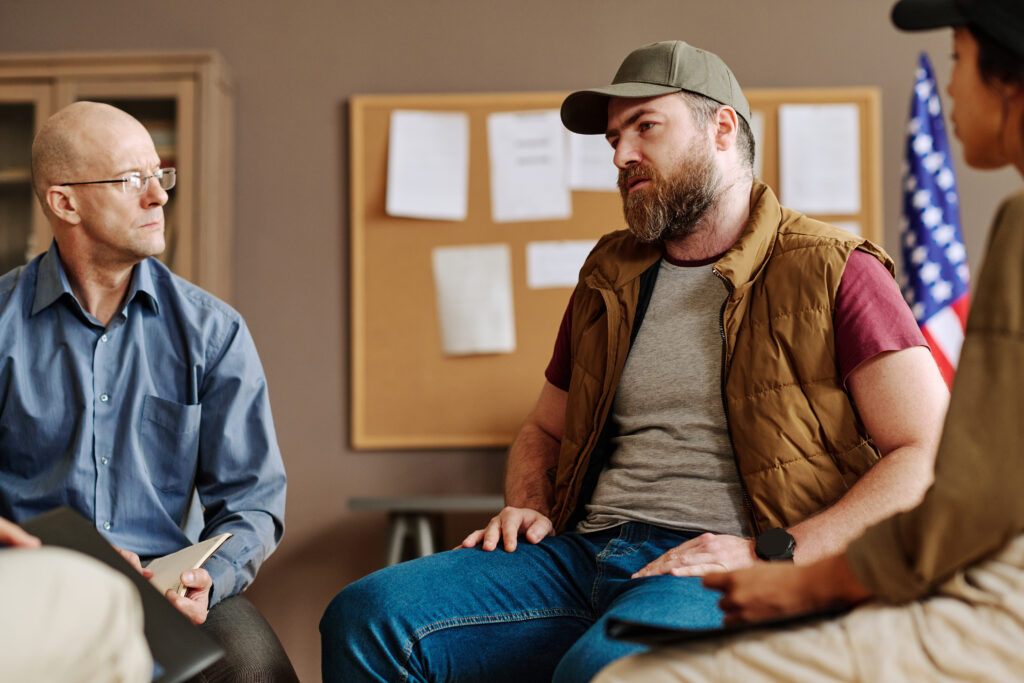
The first 30 days aren't always easy. But they're the ones that change everything.
By the end of your first month, something has shifted. It may be subtle or it may be significant, but it’s real. The days that felt impossible in week one are now just days. The routines that felt foreign now feel like yours.
Week four is also when conversations about the next stage of your journey start to take shape. Where do you go from here? What does continued care look like? If sober living is the next step, what does that transition involve?
These aren’t decisions you have to make alone. Our team walks through every option with you so that when you’re ready to take the next step, you know exactly what it looks like.
What Nobody Tells You About the First 30 Days
Here are a few things that don’t always make it into the official descriptions:
It gets harder before it gets easier, and that’s okay. The first week or two can be genuinely difficult. Give yourself permission to be in it without expecting to feel better immediately.
You don’t have to have it all figured out. You don’t need to know why everything happened or have a five-year plan. You just need to show up today.
Community matters more than most people expect. The relationships built inside treatment, with staff and with other residents, often turn out to be one of the most valuable parts of the experience.
Thirty days is a beginning, not a finish line. The first month lays the foundation. What gets built on top of it is the rest of your life.
Ready to Take the First Step?
If you’ve been putting off reaching out because you weren’t sure what it would look like, now you know. The first 30 days of addiction treatment are not something to be afraid of. They’re something to walk toward.
At Foothills Recovery, we’re here to walk with you — from the very first conversation through every step that follows.
Call us today: 606-388-4607 Learn more: foothillsrecovery.org
Recovery starts with one step. We’ll be right there when you take it.